The 4 C’s of Montessori: What They Mean and Why They Matter for Your Child
There’s a reason Montessori graduates tend to stand out — not just academically, but in how they carry themselves, solve problems, and treat other people. That doesn’t happen by accident. It happens because the Montessori method is built around four core qualities that most traditional education addresses in theory but rarely develops in practice.
Those four qualities are Concentration, Coordination, Communication, and Collaboration. Here’s what each one actually looks like in a real classroom — and why the early years are the right time to build them.
Concentration: The Skill That Makes Everything Else Possible
Concentration is the first C for a reason. Without the ability to focus — to stay with something difficult, to resist distraction, to return to a task after an interruption — every other skill is harder to develop.
Most children are not born with strong concentration. It’s built through experience. Specifically, through repeated opportunities to choose a task, engage with it deeply, and complete it without being interrupted by a schedule or redirected by an adult who assumes they must be done by now.
In a Montessori classroom, the uninterrupted work period — typically two to three hours — protects exactly this. Children who seem incapable of sitting still for five minutes at home will often work with the same material for forty minutes when the environment is right and the task is genuinely engaging. That’s not magic. That’s what concentration looks like when it’s being built rather than managed around.
By the time children leave the Brainy Bees preschool program, many can sustain focused work far beyond what their age peers typically manage — not because they were pushed, but because they had daily practice in an environment designed for it.
Coordination: More Than Just Physical Skill
When parents hear coordination, they think gross motor — running, climbing, balance. Those things matter. But Montessori’s understanding of coordination is broader than that. It includes fine motor precision, the coordination of hand and eye, and crucially, the coordination of intention and action — knowing what you want to do and being able to execute it.
Practical Life activities are the engine of coordination development in a Montessori classroom. Pouring water between jugs without spilling. Spooning small objects from one bowl to another. Buttoning, threading, folding. These activities look simple from the outside. From a neurological standpoint, they are demanding — and every successful repetition builds the neural pathways that underpin writing, drawing, self-care, and eventually more complex physical and cognitive tasks.
The Montessori curriculum at Brainy Bees moves through coordination development in a deliberate sequence — starting with large, forgiving movements and gradually refining toward smaller, more precise ones. Children don’t jump to writing before their hands are ready. They build toward it through work that feels purposeful and satisfying, not preparatory.
Communication: Building Real Language From the Ground Up
Language development in the Montessori environment goes well beyond vocabulary lists and letter recognition. It’s built through conversation, through naming real objects in the environment, through the three-period lesson that moves a child from hearing a word to recognizing it to using it independently.
What Montessori does particularly well is treat language as functional, not performative. Children aren’t learning words to pass a test. They’re learning words because they need them — to describe what they’re working on, to express what they want, to navigate a disagreement with a peer, to ask a question that’s genuinely puzzling them.
Reading and writing follow the same principle. Sandpaper letters give children a physical experience of letter shapes before they’re asked to reproduce them. The moveable alphabet lets children compose words before their hands are coordinated enough to write them. Each step has a concrete anchor, and no step is rushed because the next one looks more impressive on a progress report.
For children whose language development needs extra support — whether that’s a late talker, a child learning English alongside another language, or a child with specific communication needs — the individualized pace of Montessori means no child is pulled along at a speed that doesn’t serve them.
Collaboration: What Working Together Actually Requires
Collaboration is the most socially complex of the four C’s, and the one most traditional early education programs address least effectively. Telling children to share and take turns is not the same as teaching them to collaborate. Real collaboration requires reading another person’s state, adjusting your own behaviour in response, negotiating toward a shared goal, and recovering when the dynamic breaks down.
Those skills don’t develop through instruction. They develop through practice — specifically, through spending time in an environment where collaboration is necessary, where conflict arises naturally, and where adults guide children through resolution rather than simply enforcing rules from above.
In a Montessori classroom, collaboration is embedded in the structure of the day. Only one of each material exists on the shelf. Children who both want the same work have to negotiate. Group cultural projects require listening and contribution from multiple children. Older children in mixed-age settings naturally mentor younger ones — developing patience, communication, and leadership in the process.
What I tell parents at Brainy Bees Montessori is that collaboration is the C most visible at home. Parents who see their child begin to negotiate rather than melt down, or offer help to a younger sibling rather than compete with them, are watching collaboration being built in real time. It’s one of the most reliable signals that the environment is working.
Why These Four Things Together Matter More Than Any One Alone
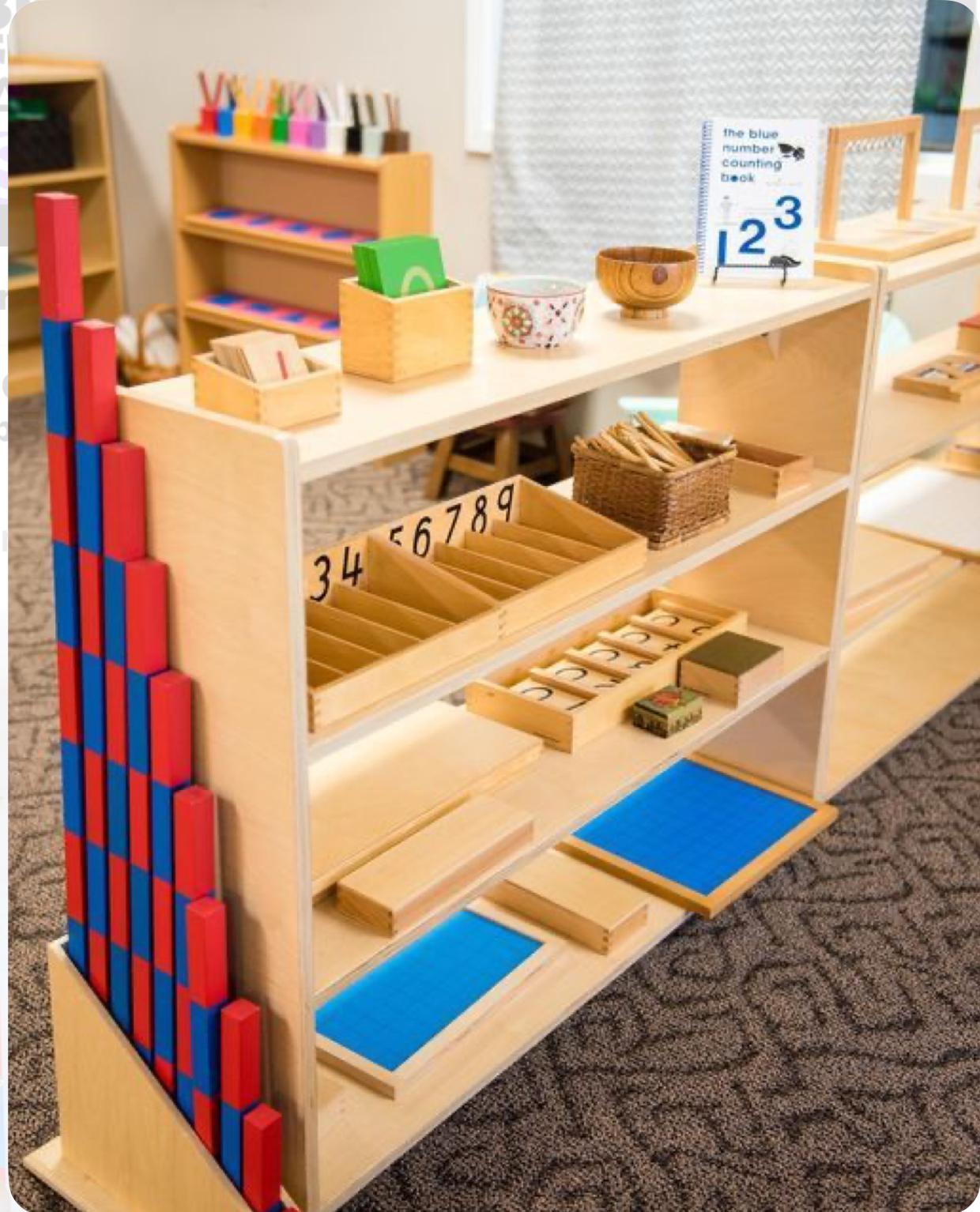
Concentration without coordination produces a child who thinks carefully but struggles to execute. Coordination without communication produces a capable child who can’t advocate for themselves. Communication without collaboration produces a child who talks well but can’t work with others. Collaboration without concentration produces a child who engages socially but can’t sustain independent work.
The four C’s reinforce each other. A child building all four simultaneously — through daily work in an environment designed for exactly that — develops in a way that is genuinely integrated. Academic skills follow naturally, because the child has the internal architecture to support them.
This is what Montessori education is actually doing, underneath the wooden materials and the child-sized furniture. It’s building human beings who can think, move, communicate, and connect — and it’s doing it during the years when those capacities are most plastic and most available to be shaped.
You can explore how these principles show up across every stage of our program — from infancy through kindergarten — on our program page, or read more about our philosophy on the Brainy Bees about page.
FAQ
Are the 4 C’s unique to Montessori, or do other preschool programs develop them too? Other strong early childhood programs address some of these qualities — play-based learning supports collaboration and communication well, for example. What makes Montessori distinctive is the intentional, sequential design that develops all four simultaneously and consistently from infancy onward. It’s less about which C a program touches and more about whether the entire environment is built to sustain all four across the full day.
How quickly will I see the 4 C’s developing in my child after starting Montessori? Concentration and coordination tend to show early — parents often notice changes within the first two to three months, particularly in how long a child can stay with a task at home. Communication shifts are usually visible within the first school year. Collaboration takes longest — it’s the most complex and the most dependent on having enough peer experience to practice with. Most families see meaningful changes across all four within a full year in the program.
Can a child who struggles with focus or coordination still thrive in a Montessori environment? Often especially well. The Montessori environment is specifically designed to build these qualities in children who don’t yet have them — not to select for children who already do. A child who struggles to focus benefits more from the long uninterrupted work period than a child who focuses easily. A child with coordination challenges benefits more from the graduated Practical Life sequence. The method meets children where they are, which is exactly what children who are still developing these skills need most.
Want to see the 4 C’s in action? Browse our latest posts on the Brainy Bees blog or visit us in person to watch a morning work period unfold. Book a tour at brainybees.ca, email info@brainybees.ca, or call 825-559-2337.